A Shortage Creates an Opportunity
Aviation has always been about more than airplanes. It is about people. Behind every safe flight and every passenger who steps off an aircraft without a second thought is a team of highly skilled technicians who keep that machine airworthy.
Right now, the industry is facing a problem that is both urgent and unprecedented. Airlines and MROs across the United States are dealing with a severe shortage of certified aircraft mechanics. Thousands of experienced professionals are approaching retirement age, and not enough young people are stepping in to fill their shoes.
For the industry, that reality is a challenge. For today’s youth, it is an opportunity.
If you have ever thought about a career where your hands, your mind, and your skillset make a direct impact on safety, reliability, and progress, becoming an aircraft mechanic may be the answer. Unlike many other professions, you do not need a four-year degree to get started. What you do need is determination, training, and a willingness to take on responsibility that truly matters.
What Does It Mean to Be an FAA Certified Mechanic?
In the United States, the Federal Aviation Administration regulates who can and cannot work on aircraft. The FAA issues two types of maintenance certificates:
- Airframe (A): Covers the structure of the aircraft, including fuselage, wings, landing gear, hydraulics, and environmental systems.
- Powerplant (P): Focuses on engines, fuel systems, and everything that keeps aircraft power running smoothly.
Many mechanics pursue both certifications, which together are commonly referred to as an A&P license. With an A&P license, you are cleared to perform, supervise, and sign off on a wide range of maintenance tasks critical to flight safety.
If you are curious, the FAA outlines the certification process in detail on its official Airframe and Powerplant Mechanic Certification page.
Step One: Choose Your Training Path
There are two primary routes to becoming an FAA certified mechanic.
1. FAA Approved Part 147 School
An FAA-approved Part 147 program is the most direct option. These schools provide both classroom learning and hands-on shop training. Most programs take 18 to 24 months to complete, after which graduates are eligible to sit for their FAA exams. Many schools also maintain strong partnerships with airlines and maintenance companies, which can make job placement easier. You can search for approved programs on the FAA’s Part 147 School Locator.
2. On-the-Job Experience
If formal schooling is not the right fit, you can qualify through experience. The FAA allows candidates to substitute real-world work for classroom hours. The requirement is 30 months of practical experience if you want both airframe and powerplant certifications, or 18 months for just one. Many military veterans who worked in aviation maintenance use this path to transition into civilian aviation careers.
Step Two: Pass the FAA Exams
Once training or experience requirements are complete, the next step is testing. To earn certification, mechanics must pass three sets of exams for each rating:
- Written Knowledge Test: A multiple-choice exam that measures understanding of regulations, systems, and principles.
- Oral Test: A face-to-face evaluation with an FAA-designated examiner.
- Practical Test: A hands-on demonstration of maintenance skills on real equipment.
It is not just about knowing the material. It is about proving that you can apply it safely, accurately, and consistently.
Step Three: Start Your Career
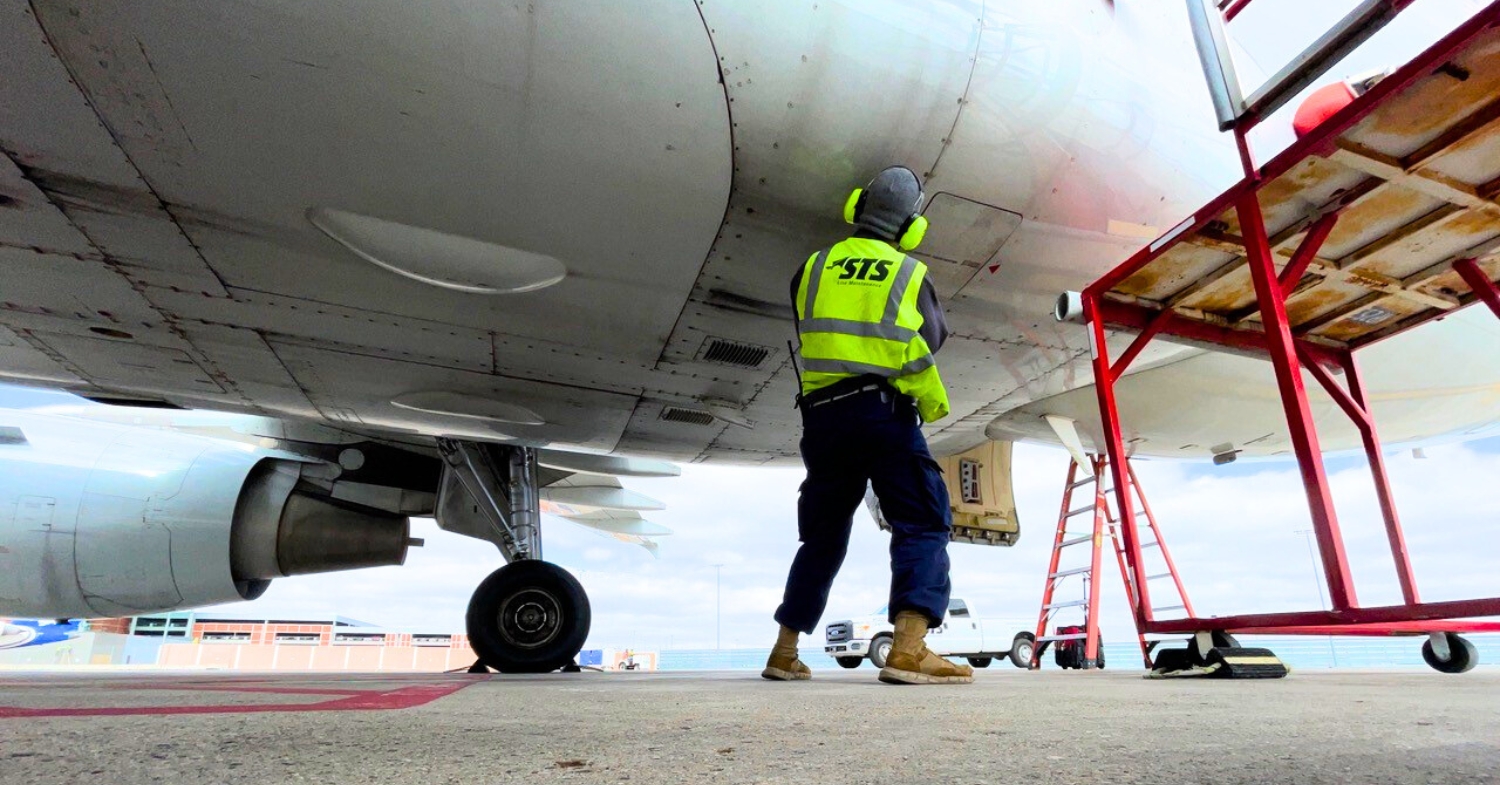
With your FAA certification, you will find opportunities across the aviation industry. Certified mechanics are in demand at commercial airlines, maintenance repair organizations (MROs), private jet operators, cargo carriers, and government agencies.
Entry-level roles might include:
- Line Maintenance Technician
- Base Maintenance Technician
- Avionics Specialist (with additional training)
- Engine or Component Shop Mechanic
And because the shortage of skilled mechanics is projected to grow, these jobs often come with competitive pay, strong benefits, and clear advancement opportunities.
Why Becoming an Aircraft Mechanic Matters
Being an aircraft mechanic is not just another job. It is a responsibility. Every inspection you complete, every repair you sign off on, and every decision you make carries weight. Lives depend on it. That responsibility can feel heavy, but it is also deeply rewarding.
The industry needs the next generation to step forward. If you are someone who thrives on solving problems, working with your hands, and being part of something bigger than yourself, this is your moment. Aviation will always need mechanics. Planes will always need to fly. And with an FAA certificate in your pocket, you can be the one who makes it possible.
Ready to learn more? Start exploring schools near you, talk to veterans of the trade, or dive into the FAA’s official resources. A career as an aircraft mechanic is more than a job. It is a calling. And right now, the aviation industry is calling loudly.
More in this series: The Ultimate Guide to Becoming a Commercial Airline Pilot