


Aircraft base maintenance has changed.
Not the work itself. The work is still hard. Still technical. Still unforgiving. But the pressure surrounding it has intensified. Airlines are being pushed to do more with aging fleets while delivery delays, labor shortages, operational disruptions, and tighter maintenance windows continue stacking on top of each other across the global aviation industry.
That pressure lands inside the hangar.
Which is why operators are paying far closer attention to who they trust with their aircraft, how those facilities are structured, and whether the teams managing the event actually understand the operational consequences attached to every additional day on the ground.
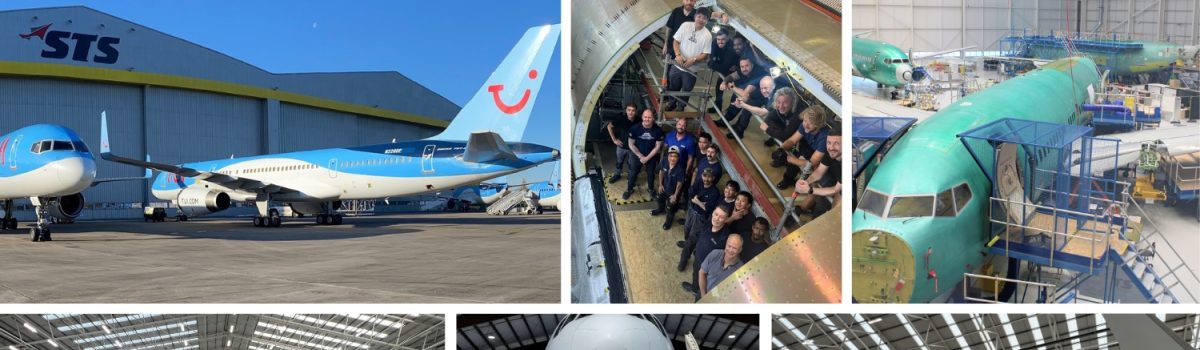
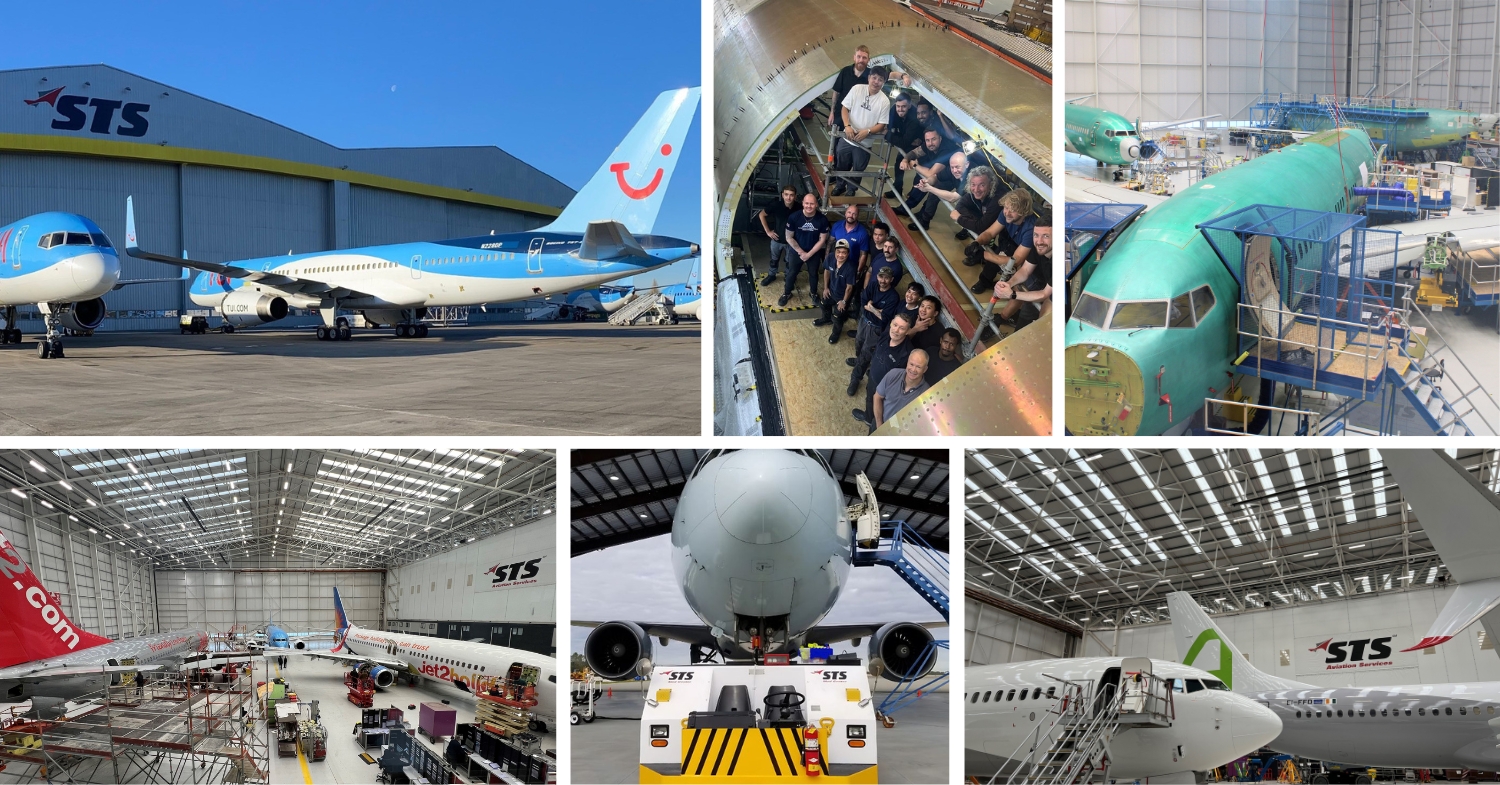
At STS Aviation Group, aircraft base maintenance is not treated as isolated hangar work. It is part of a broader operational ecosystem built to support airlines, lessors, OEMs, military organizations, and aviation operators across the United States and the United Kingdom through integrated maintenance, engineering, modification, structures, avionics, and rapid response support services.
And scale matters.
In Melbourne, Florida, STS Aviation Group operates more than 120,000 square feet of aircraft maintenance and modification space at Orlando Melbourne International Airport. The facility supports major and minor aircraft repairs, avionics modifications, inflight connectivity installations, structural repairs, A Check and C Check maintenance, non destructive testing, large radome installations, systems diagnostics, and fiber optic installations. On site DER support further strengthens the operation’s ability to handle complex engineering and modification requirements without forcing operators to coordinate disconnected vendors across multiple organizations.
In the United Kingdom, STS Aviation Group continues expanding one of the most capable independent MRO footprints in the region.
Manchester represents a major part of that strategy. Opened in 2022, the facility features more than 245,000 square feet of working space with full 360 degree aircraft circulation, direct runway access, and capacity for up to six narrowbody aircraft simultaneously. Positioned at one of the busiest regional airports in the UK outside London, the operation supports Boeing, Airbus, Embraer, and Bombardier aircraft across both legacy and next generation fleets. Services include heavy maintenance, structural repairs, avionics modifications, entry into service programs, lease return support, inflight connectivity installations, and systems diagnostics.
Birmingham serves a different mission entirely.
The facility is dedicated to military and defense aircraft maintenance operations, supporting highly specialized programs where operational readiness, security, and execution standards carry an entirely different level of scrutiny. The operation was purpose built to support complex defense maintenance activity at scale with approximately 200,000 square feet of working space and capacity for two widebody aircraft or up to ten narrowbody aircraft simultaneously. Integrated back shops, component repair capabilities, vertical lift storage systems, mobile technician workstations, and centralized operational reporting infrastructure support a maintenance environment designed around disciplined execution. Structural repairs, modifications, transition work, engine changes, storage programs, and rapid operational support all exist within a tightly controlled framework built specifically for defense operations.
Then there is Newquay.
Operators understand the value of flexibility, especially when maintenance demand shifts unexpectedly or aircraft require longer term positioning. The Newquay operation supports line maintenance, base maintenance, modifications, aircraft storage, teardown and recycling programs, structural repairs, AOG support, and engine preservation services from one strategically positioned location in Cornwall. The facility was built around adaptability because modern fleet management rarely follows a clean script anymore.
And that is really the larger point.
Aircraft base maintenance is no longer just about technical capability. Every major MRO can claim technical capability. Operators are looking deeper now. They are evaluating responsiveness, integration, communication structure, engineering access, operational flexibility, workforce stability, and whether the organization managing the aircraft can actually adapt when the maintenance event inevitably changes shape midway through execution.
Because it usually does.
A scheduled heavy check becomes a structural event. A cabin modification expands into engineering work. A delayed part impacts a return to service timeline. The ability to absorb those variables without losing operational control is what separates stable maintenance partners from transactional vendors.
That is where STS Aviation Group continues strengthening its position.
Not through inflated marketing language. Through infrastructure. Through geographic reach. Through integrated support capabilities tied directly into active maintenance operations. Through facilities designed around real operational pressure instead of presentation slides.
Airlines remember whether the aircraft returned on time. Defense operators remember whether readiness stayed intact. Lessors remember whether transitions stayed controlled. Operators remember whether communication stayed honest when the plan changed.
That is the real business.
And that is exactly why aircraft base maintenance still matters more than most people outside this industry realize.